Build the technology your business actually needs.
When off-the-shelf software doesn’t fit the way your business works, or an important digital product needs to be built from the ground up, we design and engineer the system around the real requirement.
This is usually relevant if
You have an important business process that software should be handling, and currently isn't.
Existing tools force your team to work around them, instead of through them.
You need a customer-facing product or platform, not just a website.
Your business runs in a way off-the-shelf software genuinely doesn't support.
You have a product idea, and need a technology organisation to make it real.
What you already have needs to become a more capable platform, not just a bigger version of itself.
We don’t start with a technology stack.
We start with what the system actually needs to accomplish — the business, the people who’ll use it, what already exists, and which constraints are real rather than assumed. Architecture and design follow from that, not the other way around. The system gets built, connected to what’s already there, tested against how it’ll actually be used, and launched — then improved as the business needs it to, not abandoned the day it ships.
A serious digital product is more than the interface people see
Four layers, whether or not a visitor ever notices them.
What the customer sees
The interface and the experience — the part people interact with directly.
What runs the business behind it
The workflows, and the internal or merchant-facing operations that actually keep the business moving.
What holds it together
The data model, the integrations, the permissions that decide who can see and do what, and the infrastructure it all runs on.
What tells you it's working
Reporting that shows what's actually happening, and automation where it removes real manual work.
Where a development vendor and a technology partner actually differ
Not a checklist — the reasons each of these matters to the business, not just the system.
01
Architecture
The system is structured around how it needs to evolve, not just how it looks in a first version.
02
Security & access control
Sensitive business and customer information gets appropriate protection, and people have access to exactly what their role requires — not more.
03
Performance
A system that works in development and slows down under real usage isn't finished.
04
Testing
Important workflows shouldn't depend on someone manually checking everything after every change.
05
Observability
When something goes wrong in production, the team needs to be able to understand what happened — not guess.
Not a marketing website — an operational platform
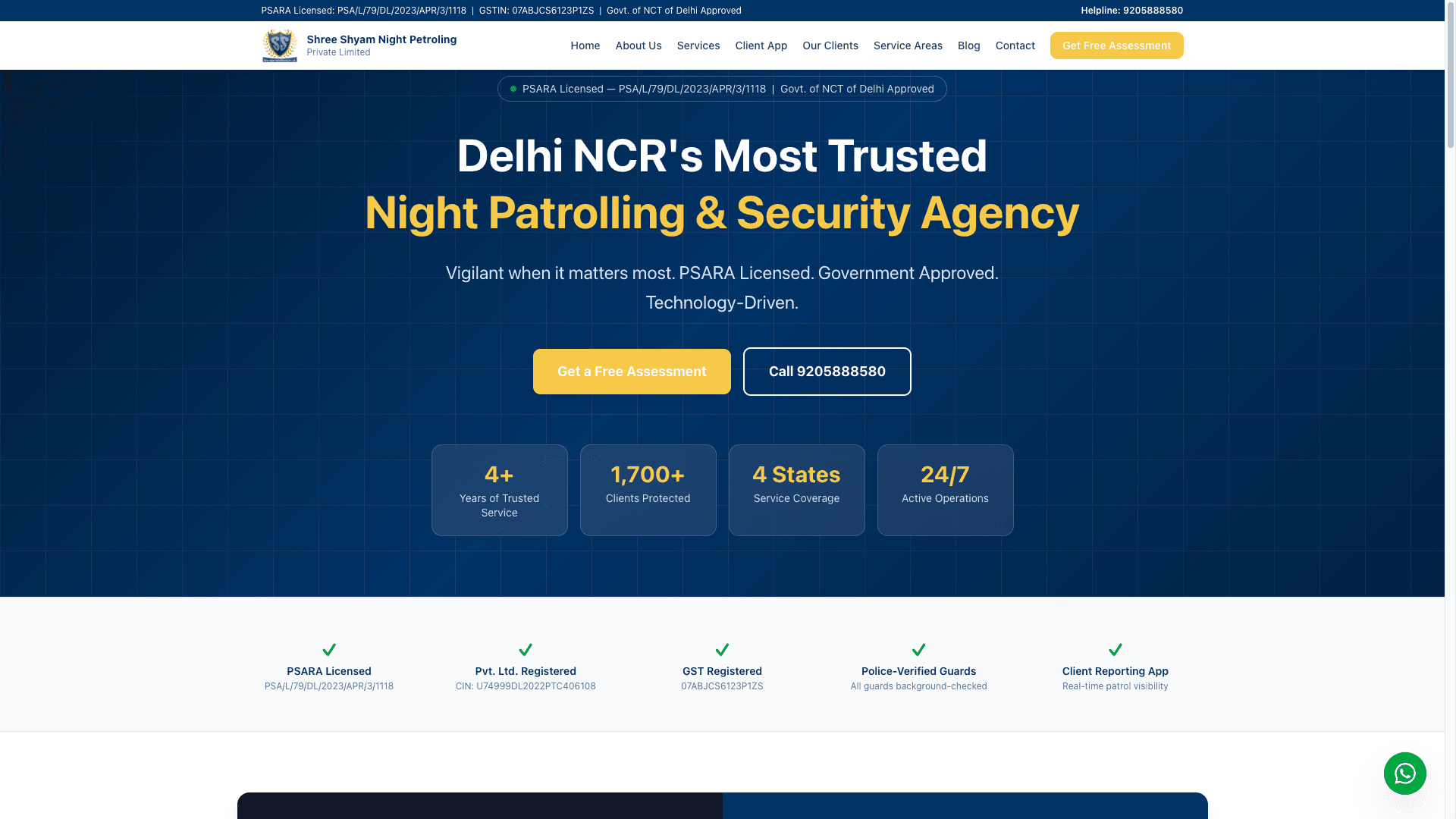
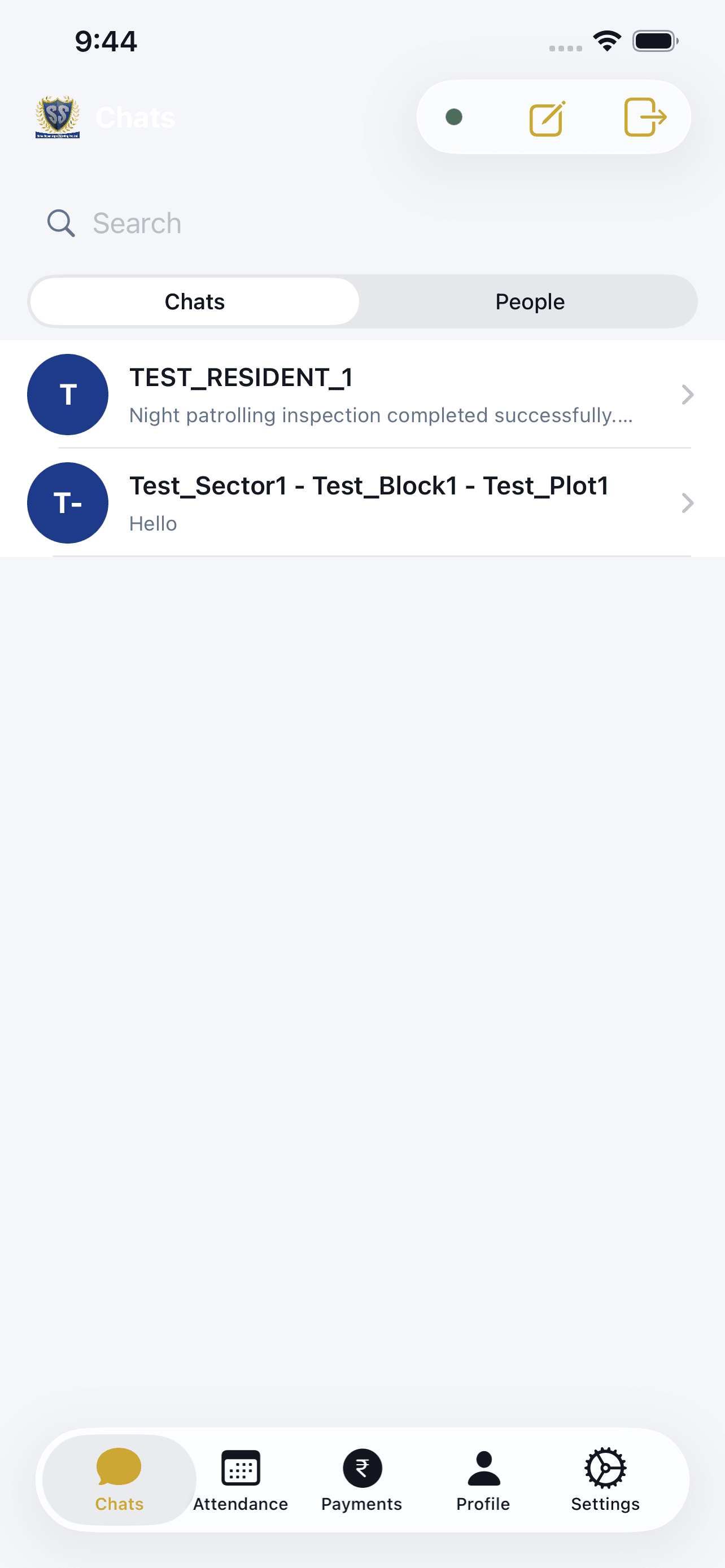
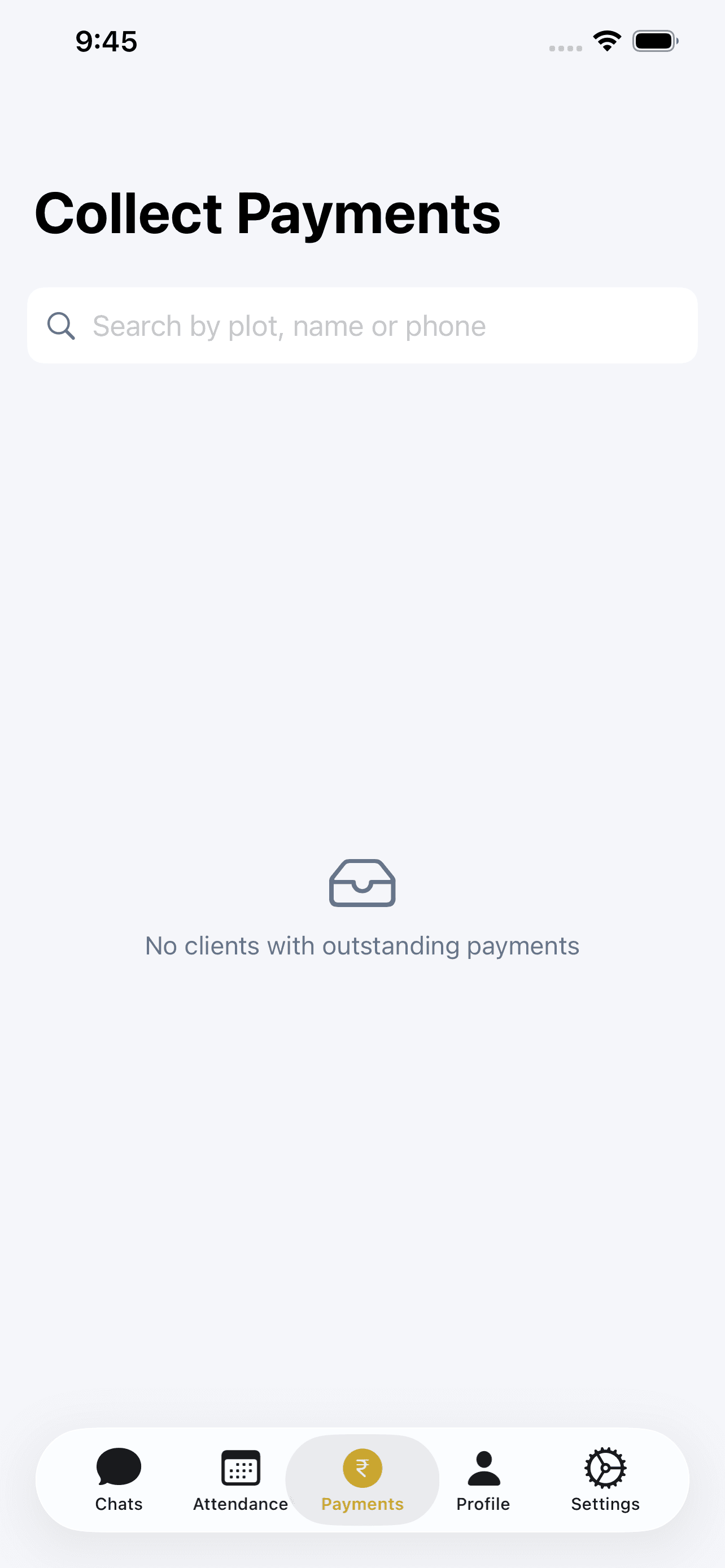
SS Night ran a 1,000+ client security operation on personal WhatsApp accounts. We rebuilt it.
These aren't five separate tools. Field activity captured in the mobile apps feeds the same records that management sees in the dashboard and that billing runs against — one system, not five logins that don't share data.
1,000+
Client accounts
4
Months to build
18
Field employees on the app
5
Products delivered

A platform we built and still operate ourselves
A commerce platform we designed, built, and operate ourselves.
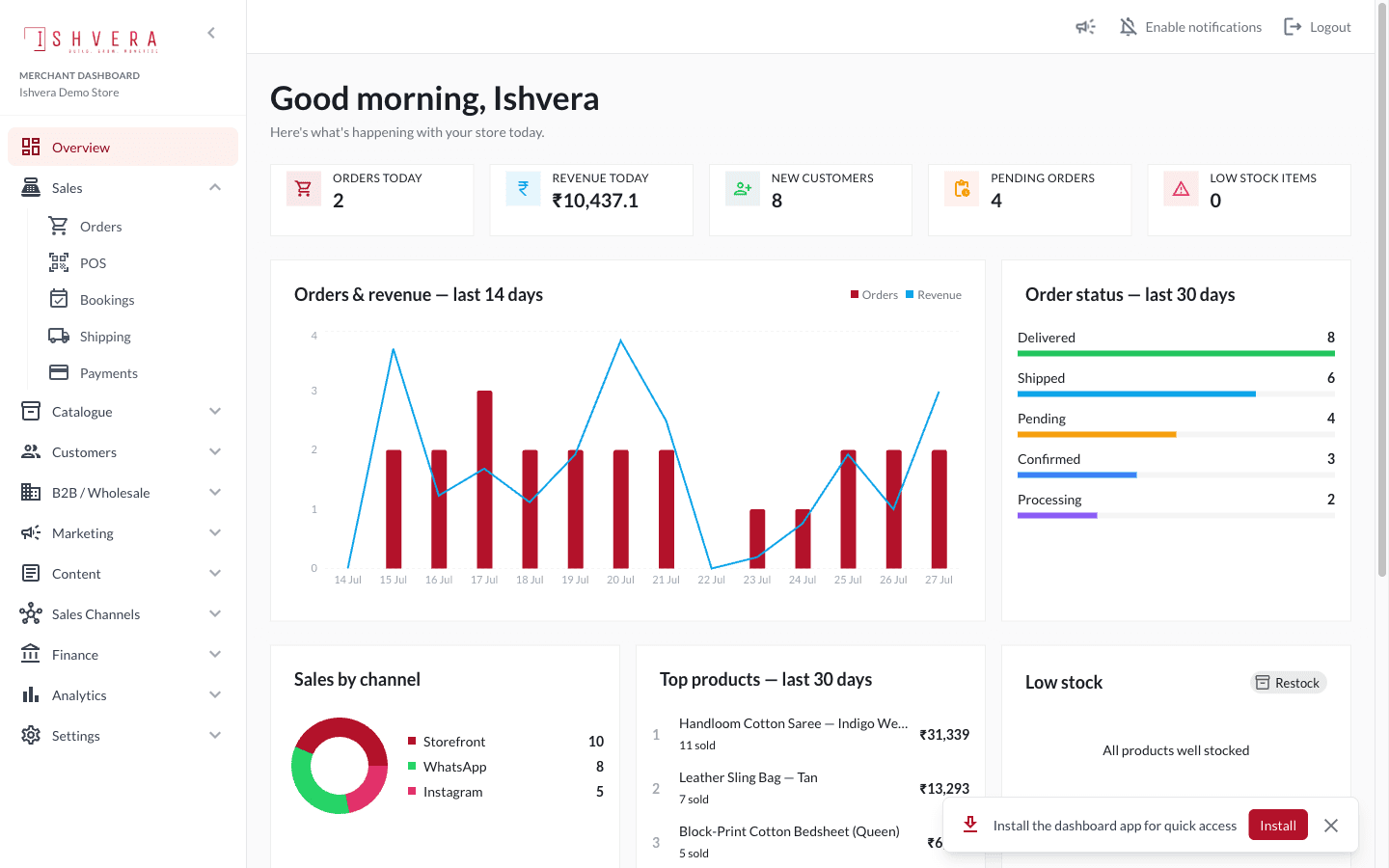
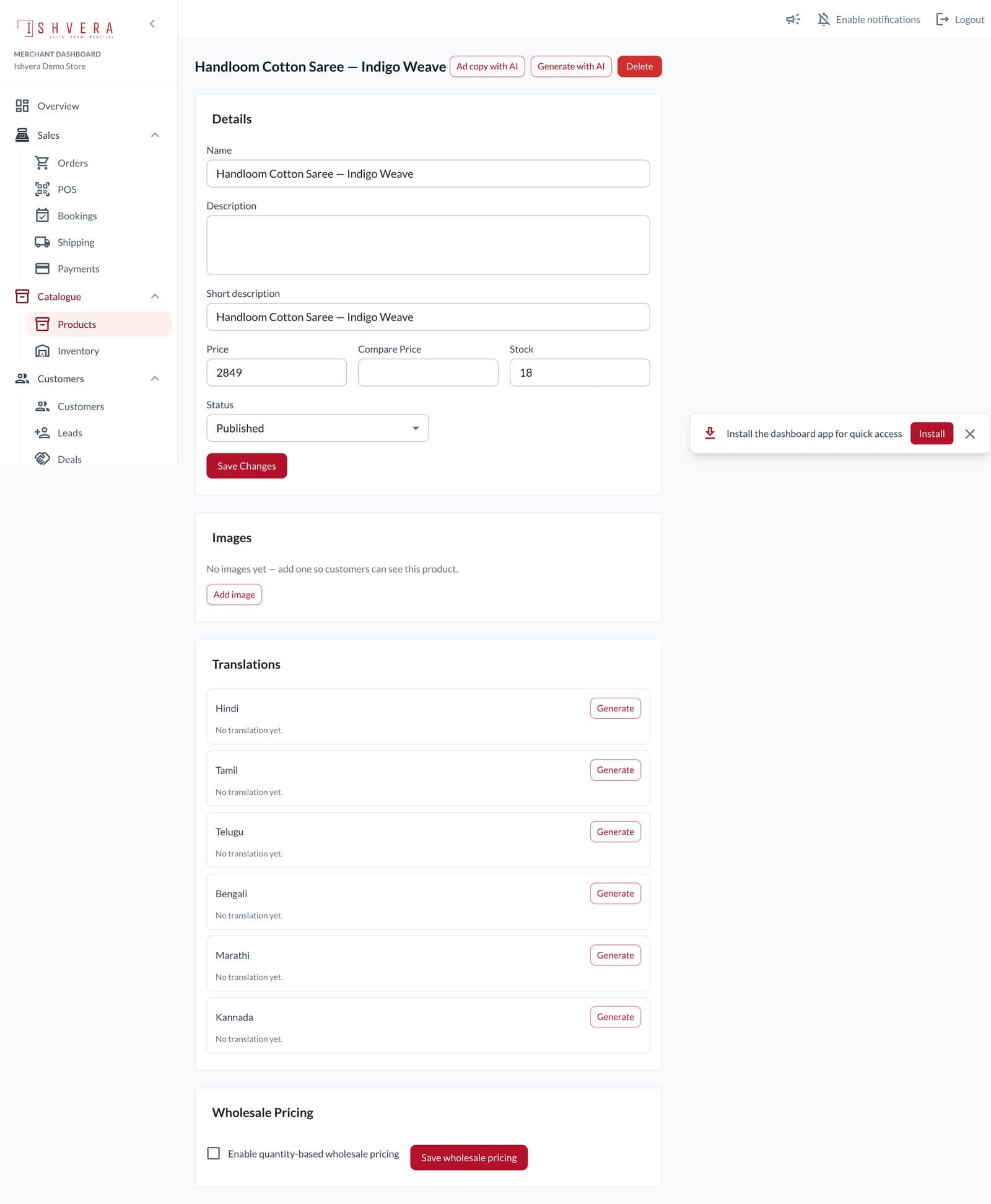
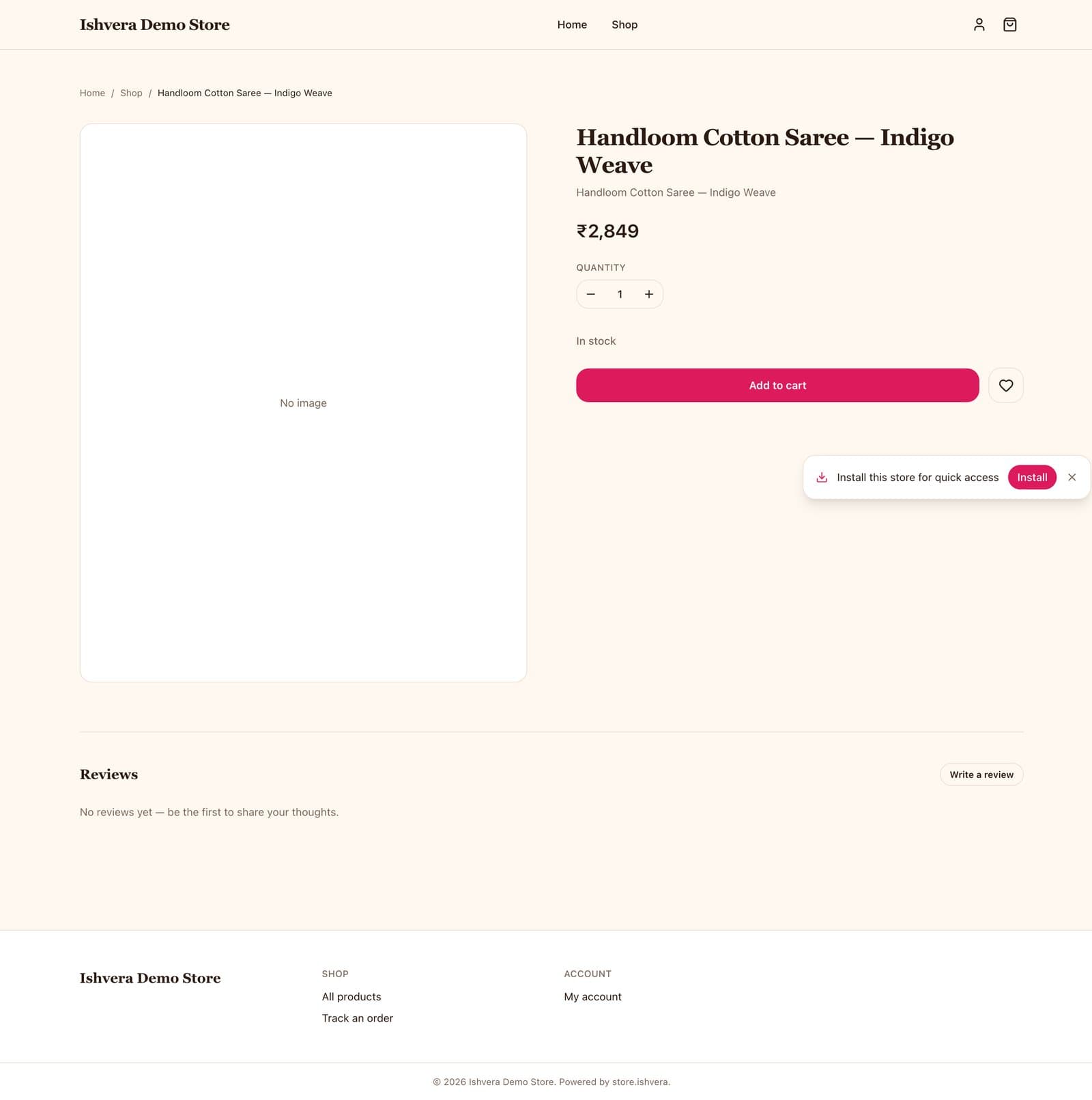
A multi-tenant commerce platform: a merchant dashboard for managing products, orders, and customers; a storefront for the merchant's shoppers; an admin console for platform operations; and the API that connects all of it. It's in production today. Product listings can be written and translated into six Indian languages from inside the dashboard — a real, shipped feature, not a demo. It exists because merchants asked for it, not because we wanted an AI feature on the page.
Where ownership matters, it should be unambiguous
Code, infrastructure accounts, and the domain belong to you, not to us. Handover is documented, so your team isn’t left dependent on ours to keep running what’s built. Where an engagement includes ongoing support, that’s agreed explicitly as part of it — never assumed by default.
Why not just hire developers?
A development resource can be asked one question well: what code should we write? A technology partner has to help answer several more:
— What actually needs to exist?
— How should the system work?
— How does it fit the business that already exists?
— What happens when it grows?
— How do the systems connect?
— How do we know when something breaks?
— Who owns what?
— What happens after launch?
None of this is a knock on hiring developers directly — for the right scope, that’s often the right call. It’s a different question: does this engagement need someone answering these questions too, not just writing the code?
What happens after “yes”
The first conversation doesn’t commit you to a large technology programme — it’s how we find out whether there’s a real fit, and what the first meaningful piece of work actually is.
See how we work →A fair question: why give a relatively lean organisation something this important?
You don’t have to take our word for it. SS Night and Ishvera Store are real, live systems, not case-study slides — and every project we show you is a real client who’ll talk to you directly, if you ask.
See how to verify this →Have something important to build?
Tell us what you're trying to achieve, what's getting in the way, and what exists today. We'll help determine what the technology should look like.