
When systems don’t talk, people become the integration layer.
We connect the systems and workflows that matter to the business, so people spend less time moving information and more time acting on it.
Information exists — but not where it needs to be
Not every business has all of these — but if more than one sounds familiar, it’s usually worth a proper look.
The same data gets entered into multiple systems.
Teams maintain parallel records because the systems don't talk to each other.
A process moves through email because the systems involved can't handle the handoff.
People have to check several places to understand what's actually happening.
Information reaches the next team only after someone manually moves it.
A business has good individual tools, but a fragmented overall workflow.
Integration isn’t simply making two APIs talk to each other.
The real question is what should actually happen between the systems — not just whether they can technically exchange data. That means being clear about the workflow it serves, which system holds the authoritative version of the information, what happens when that information changes, who’s allowed to see and change what, and what happens when something goes wrong. A technically successful connection between two APIs can still produce a bad business workflow if none of that was worked out first.
The same questions apply to the data itself: where does the information actually live, what happens if one system is temporarily unavailable, and how do you avoid two systems quietly disagreeing with each other. Most integration problems don’t come from the APIs being difficult — they come from this never being thought through properly.
Integration and automation aren’t the same thing.
Integration means systems exchange information or trigger actions in each other. Automation means a workflow can move forward without someone manually performing every step in between. The distinction matters because automation should follow a sound process — automating a broken workflow just means it breaks faster, with less visibility into what happened. We make the system work properly before we make it work automatically.
What this actually looks like
Not a fixed toolset — we design around what the business already has, connecting it properly rather than replacing it by default.
Payments
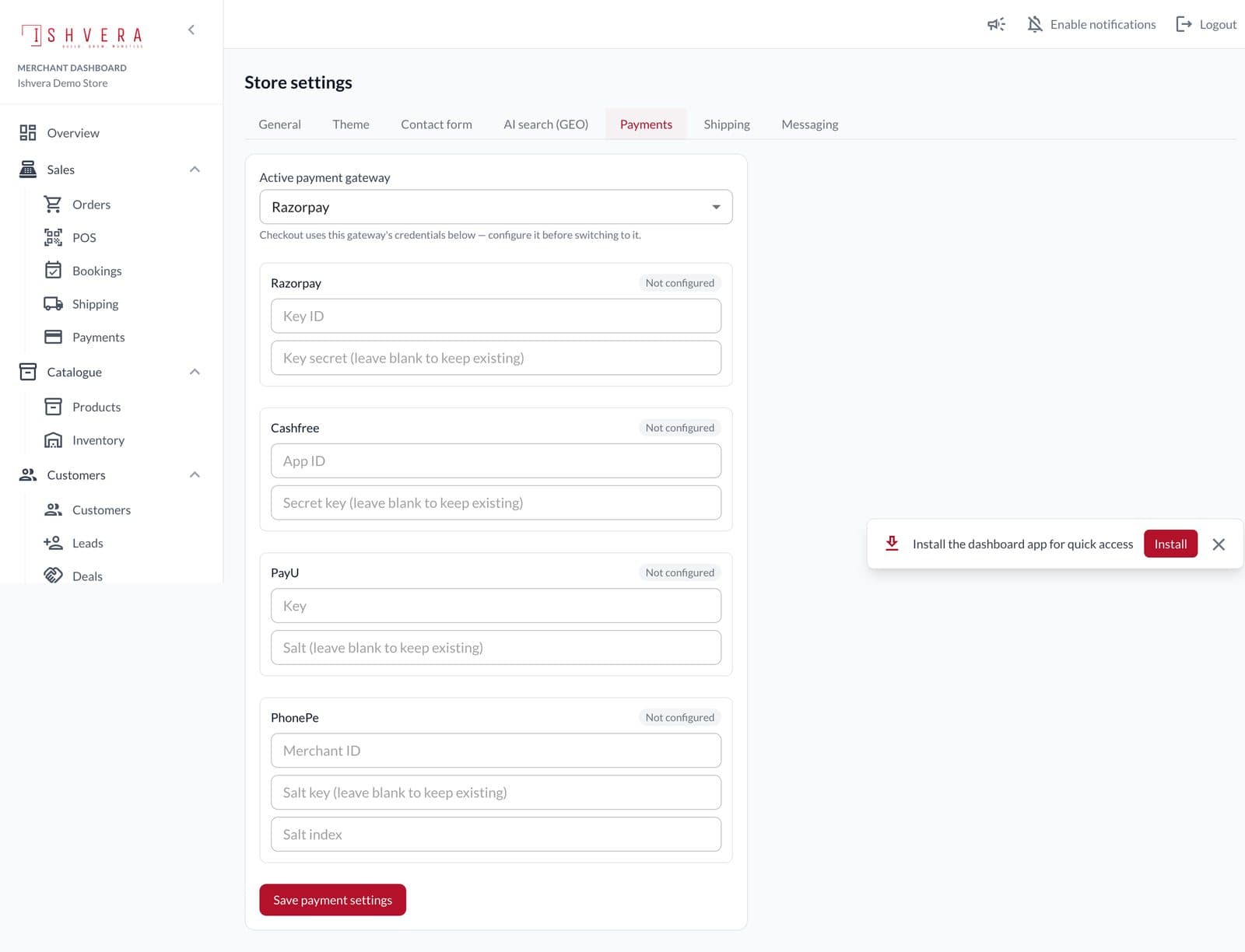
Merchants connect their own Razorpay, Cashfree, PayU, or PhonePe account — settling straight into the merchant's own bank account, not a middleman one.
Shipping
Their own Shiprocket, Delhivery, Dunzo, or Porter account — booking a courier and generating a label without leaving the order screen.
Internal operations
Sales records, invoicing, task and approval workflows connected to the systems people already work in, not one more disconnected tool to check.
Customer-facing products
The storefront or app layer feeding the same system as everything else behind it, not a separate silo nobody else can reach.
What happens when the happy path doesn’t happen?
Networks fail. Third-party APIs change without warning. Systems become temporarily unavailable. Requests time out, and data occasionally arrives malformed. A production integration has to account for all of that, not just the successful response — appropriate retry behaviour, and monitoring that shows the team what’s actually happening, not just what’s supposed to happen. We engineer for the real world, not just the demo.
Read the full engineering standard →Moving information between systems means being careful with it.
Integration usually means business or customer information moving between systems that didn’t originate it. That makes authentication, authorisation, and access boundaries a design decision, not an afterthought — people and systems get access to exactly what they need, not more. In a multi-tenant platform like Ishvera Store, this is the difference between a platform and a liability: one merchant’s data must never reach another’s, by design, not by hope.
Where automation earns its place
Once systems are properly connected, some of what’s left is genuinely well suited to automation — a report that used to take an afternoon, a reconciliation that used to happen by hand at month-end, a status change that should trigger the next step without someone watching for it. We automate what removes real manual work inside a system we’ve already understood properly. We don’t automate for its own sake, and we don’t sell automation as a replacement for actually fixing a broken process underneath it.
One system, not five logins
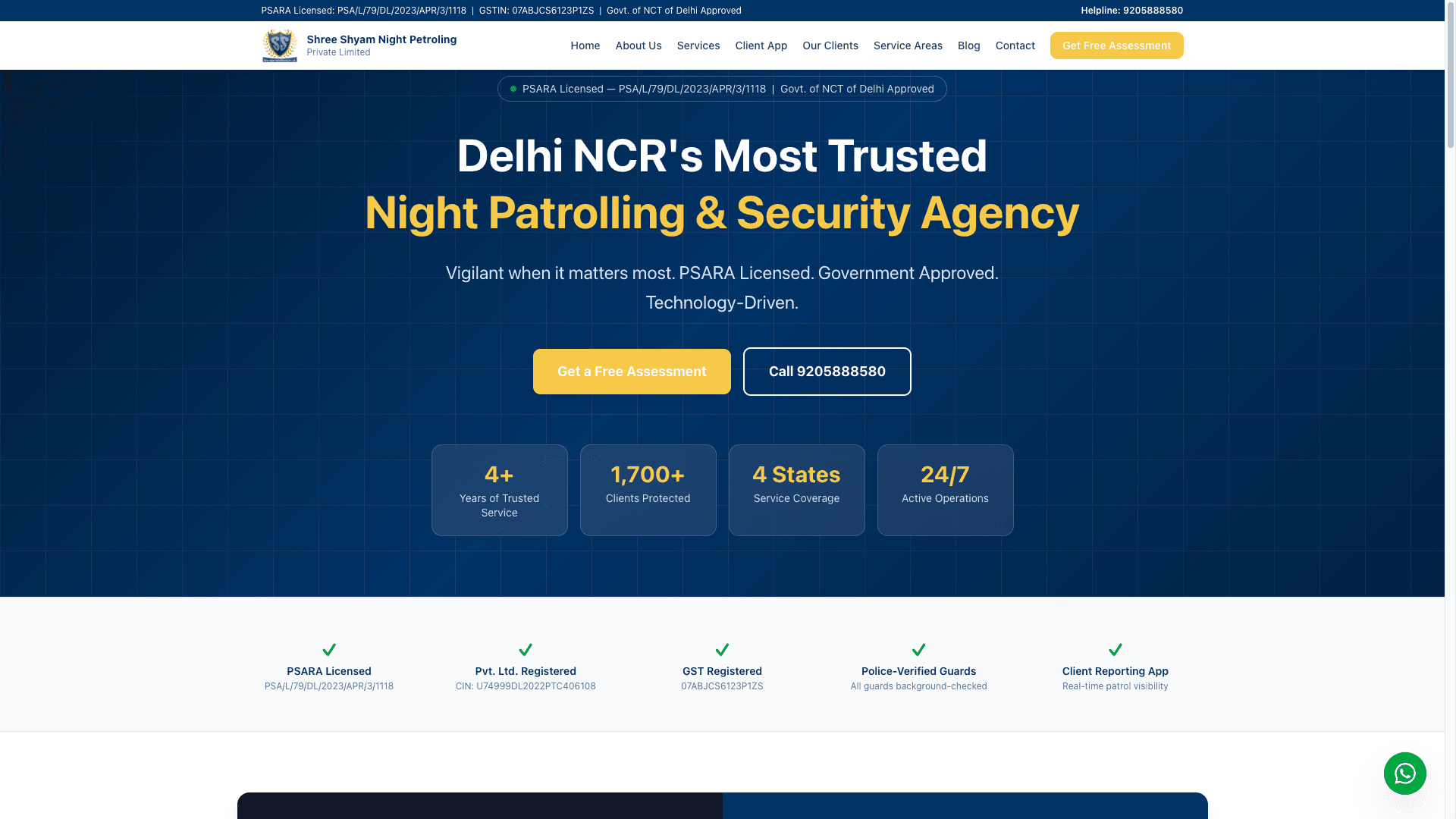
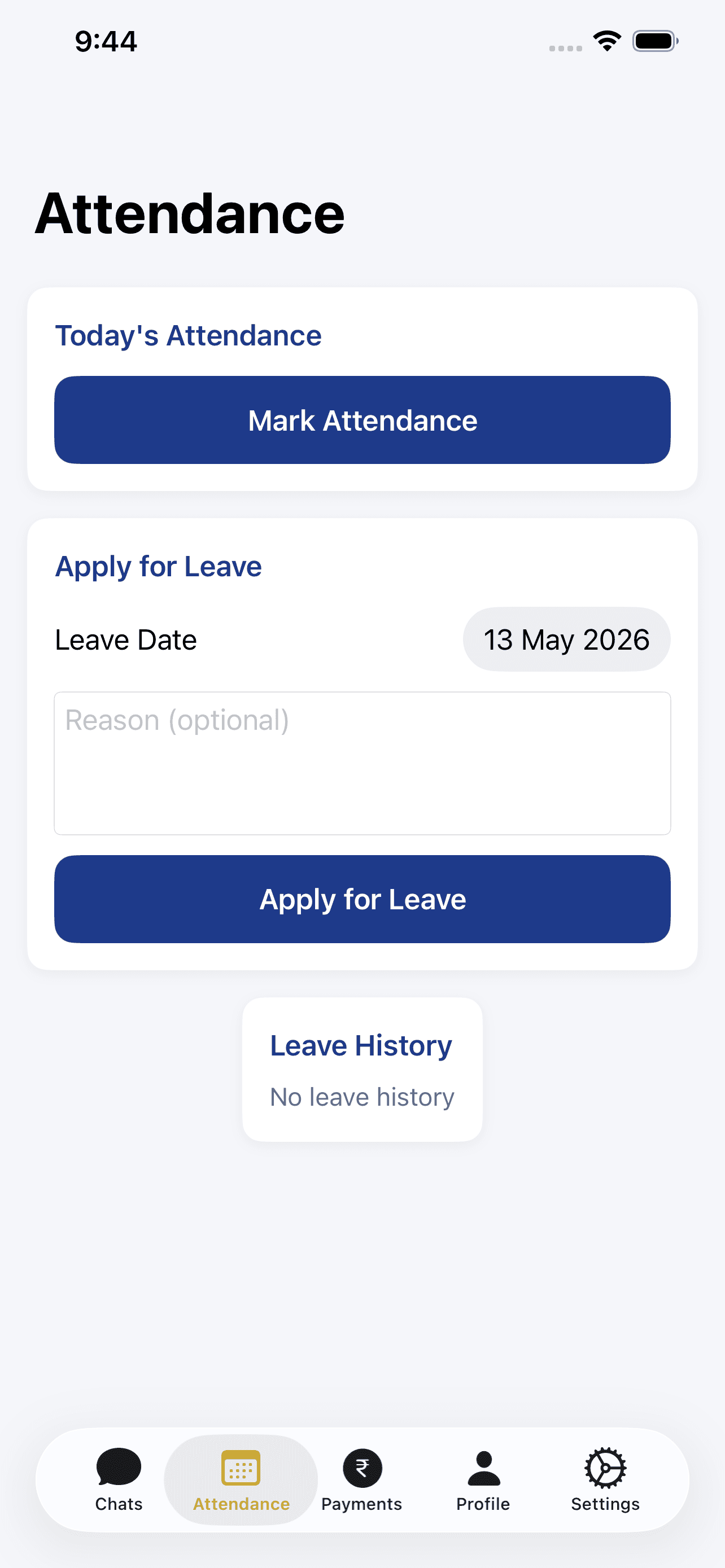
SS Night’s apps, chat, dashboard, and billing don’t operate as four separate systems.
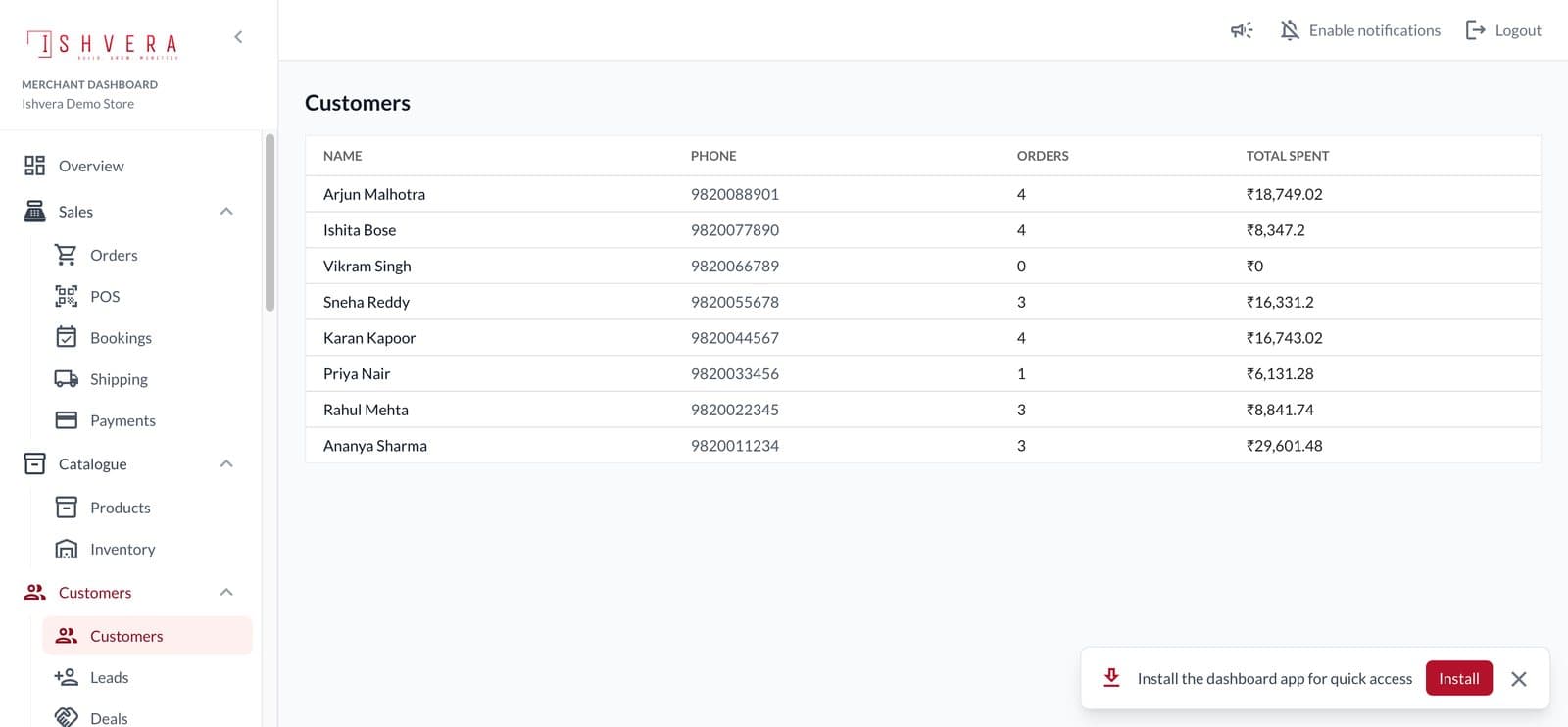
These aren't five separate tools. Field activity captured in the mobile apps feeds the same records that management sees in the dashboard and that billing runs against — one system, not five logins that don't share data.
1,000+
Client accounts
4
Months to build
18
Field employees on the app
5
Products delivered

Real third-party integration, not just internal tooling
Your own accounts. Nothing routed through ours.
Merchants connect their own Razorpay, Cashfree, PayU, or PhonePe account for payments, and their own Shiprocket, Delhivery, Dunzo, or Porter account for shipping — keeping the relationship, the rates, and the payout schedule they already have. UPI, cards, netbanking, wallets, and Cash on Delivery all settle straight into the merchant's own bank account. When it's time to ship, a courier gets booked and a label generated without leaving the order screen — the same accounts a merchant would use anywhere else, just connected directly to their store.
Before — people connect the systems
- An order comes in on the storefront
- Someone checks the payment gateway separately to confirm it cleared
- Someone else logs into the shipping provider to book a courier
- The order status in the dashboard waits for someone to update it by hand
After — the systems participate in the workflow
- The order, payment confirmation, and shipping booking happen inside one system
- Payment settles straight into the merchant's own account, automatically
- A courier gets booked and a label generated without leaving the order screen
- The dashboard reflects reality, because it's the same system doing the work
Connect what should be connected. Simplify what should be simplified.
Sometimes the right answer isn’t another integration — it’s changing the workflow, removing a redundant tool, improving the system that’s actually causing the problem, changing where information is maintained, or building the internal capability that’s genuinely missing. We’d rather tell you that than sell you a connection you don’t need.
Why not just hire someone to connect the APIs?
Because the difficult part usually isn’t the connection itself — it’s understanding the business process, the systems involved, the data, the dependencies, what happens when something fails, and the people actually using the workflow. Deepak leads every engagement personally, bringing in specific technical expertise project by project, so the work carries both real engineering depth and continuity of who’s accountable for it.
How we’re built →What happens after “yes”
We first understand how the business actually works — the real workflow, not just the systems named in the request — before deciding what should connect, what should change, or what should be left alone.
See how we work →Where we’re probably not the right fit
— You want another API connection without understanding the workflow it belongs to.
— The existing process itself is the problem, and you're unwilling to change it.
— The only objective is the cheapest possible implementation.
— There's no meaningful operational problem to solve.
Are your systems creating more work than they should?
Tell us where information gets stuck, duplicated, or moved manually. We'll help determine whether the answer is integration, automation, a change to the workflow — or something else.